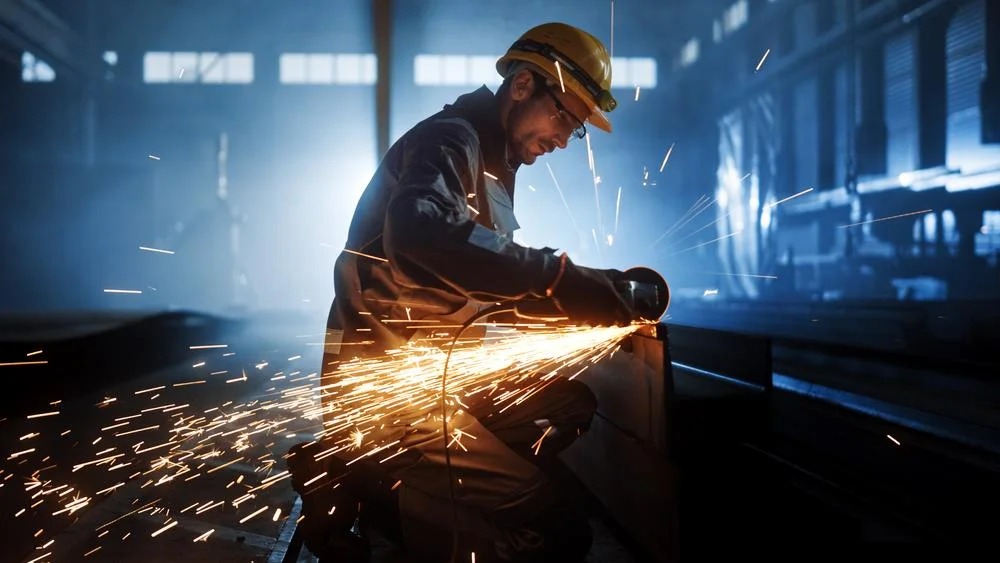
Steel is a raw force of industry. But raw force is useless. To shape that force into precise components for cars, buildings, and machines, a workshop needs far beyond muscle. It needs an arsenal of precise, specialized equipment. The difference between scrap metal and a perfect part comes down to the tools. This gap is where true craftsmanship meets cold steel, and it defines the entire art of steel sheet fabrication.
Custom dies for bends
Standard bending equipment works for basic shapes, but complex parts demand custom dies. These tools match the specific radius and angle needed for a design. Generic tooling causes cracks or unwanted thinning at bend points. Custom solutions apply force evenly, keeping the structural integrity intact during the shaping process.
Punch press tooling stability
Punching holes into metal creates extreme pressure on the work surface. Specialized punches resist this force, preventing deformation around the edges. When tooling fits perfectly, the machine operates smoothly. This prevents burrs or jagged edges that ruin components. High-quality tooling guarantees clean, repeatable holes without damaging the base material.
Material thickness control
Thinner metals react differently than thick plates. Specialized tools allow operators to adjust clearances for specific gauges. Using the wrong clearance ruins the sheet surface or creates uneven edges. Proper tools adapt to these variations, keeping the metal finish smooth and consistent throughout the production run.
Heat dissipation management
Metal shaping creates heat. If tools lack cooling features or thermal resistance, the steel warps. Specialized tool coatings manage heat transfer effectively. This keeps the metal cool enough to maintain its shape while protecting the equipment from wear. Long-lasting tools result from smart thermal design.
Repeatable accuracy
Mass production demands identical parts every time. Specialized jigs and fixtures lock sheets into place. This prevents movement during the cutting or forming stages. Each piece remains consistent with the original design. Precision setups remove human error from the production cycle, creating high standards for every item leaving the workshop floor.
Manufacturers gain efficiency by choosing the right setup. Tailored tools offer control where standard machines fail. Each task benefits from equipment crafted for specific metal characteristics. This focus on specialized gear turns raw sheets into functional parts. Quality results come from matching the right tool to the metal properties.